
Wallcoverings for medical offices play a different role than they do in a hotel, restaurant, or retail space. In clinics, waiting rooms, exam areas, and specialty practices, the design should feel clear, calm, and easy to understand. Patients often arrive carrying stress, uncertainty, or fatigue. Because of that, the room should never feel cold or unfinished.
The walls can help shape that first impression. A soft mural, textured wallcoverings, or calming art can make a clinic feel more personal without distracting from care. In medical offices, those details matter because patients notice the space before they ever meet the provider.
At Leftbank Art, custom wallcoverings, murals, and soft art solutions can be tailored to the needs of the environment. Scale, palette, artwork, and surface type can all shift to support the space, the brand, and the people moving through it.
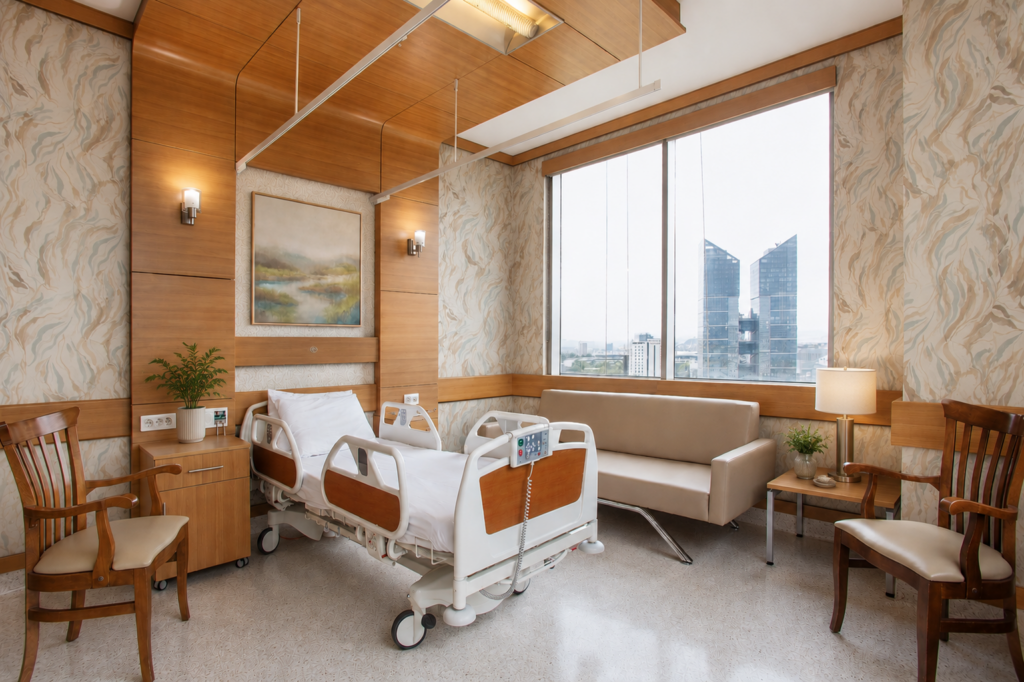
Wallcoverings for Medical Offices That Feel More Welcoming
A medical office does not need to feel stark to feel professional. In fact, many clinics are moving toward interiors that feel softer, warmer, and more connected to the patient experience.
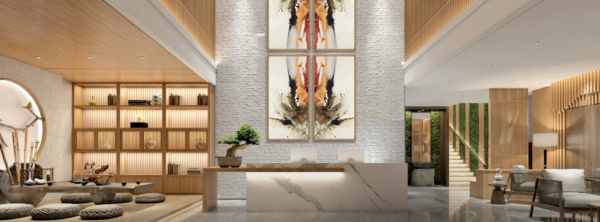
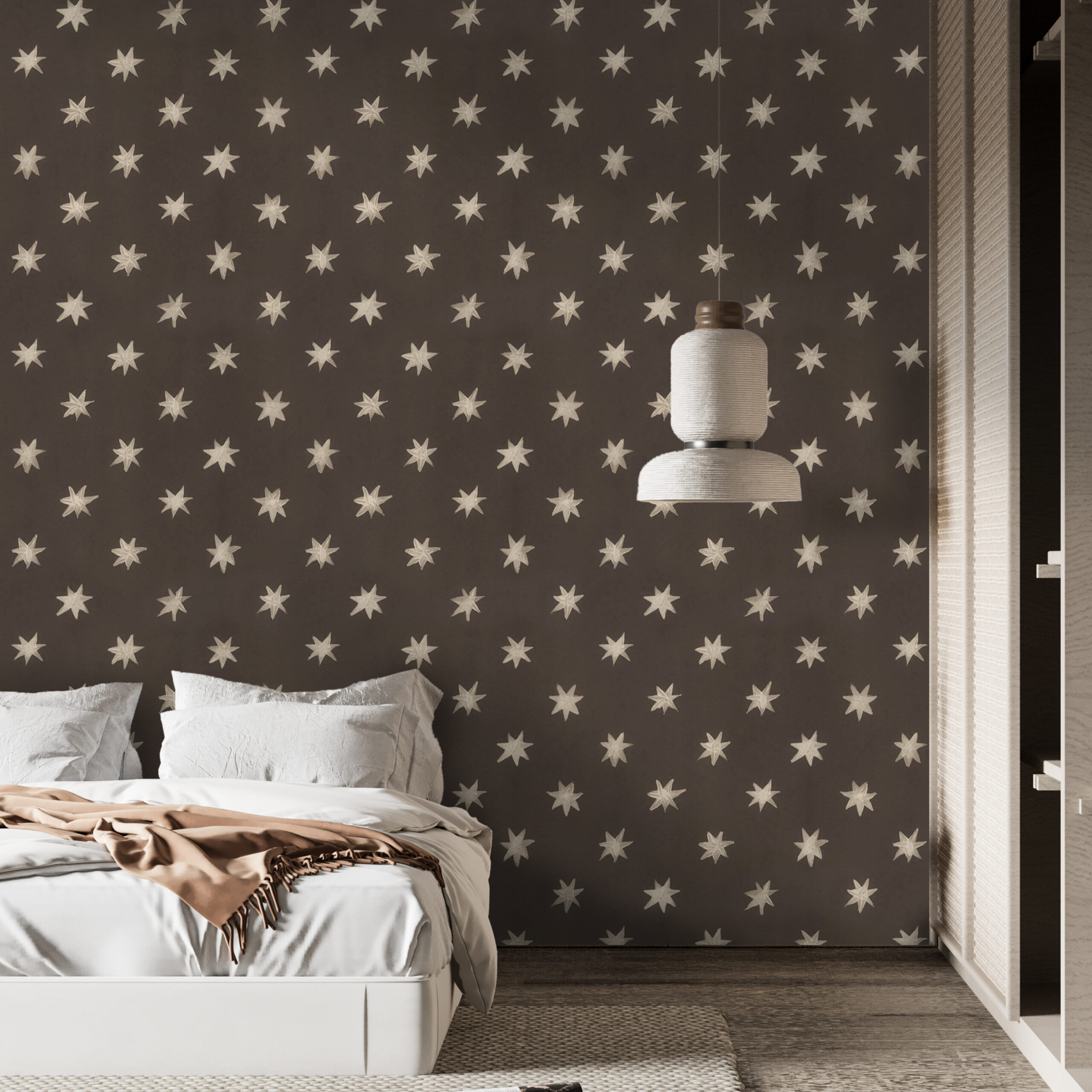
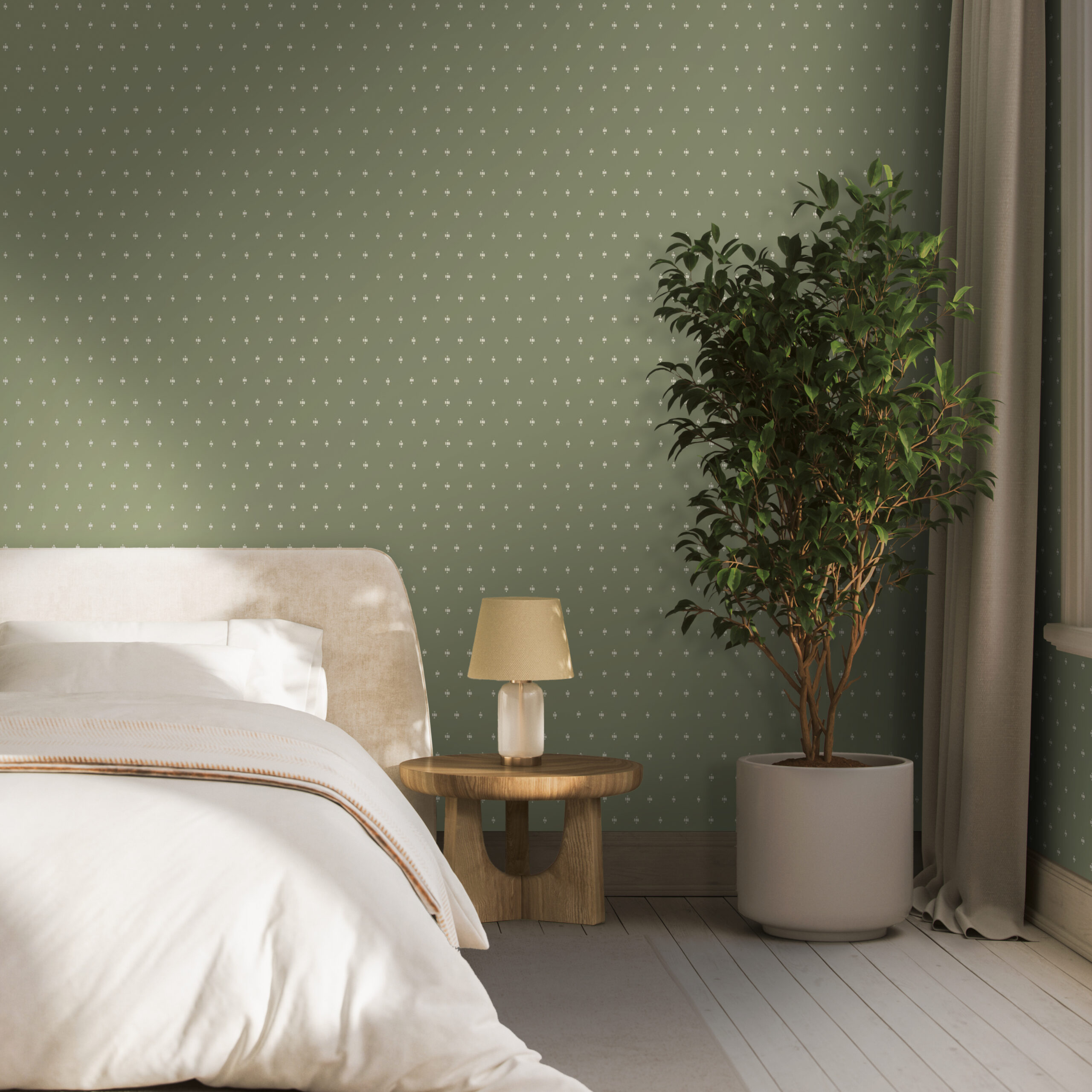
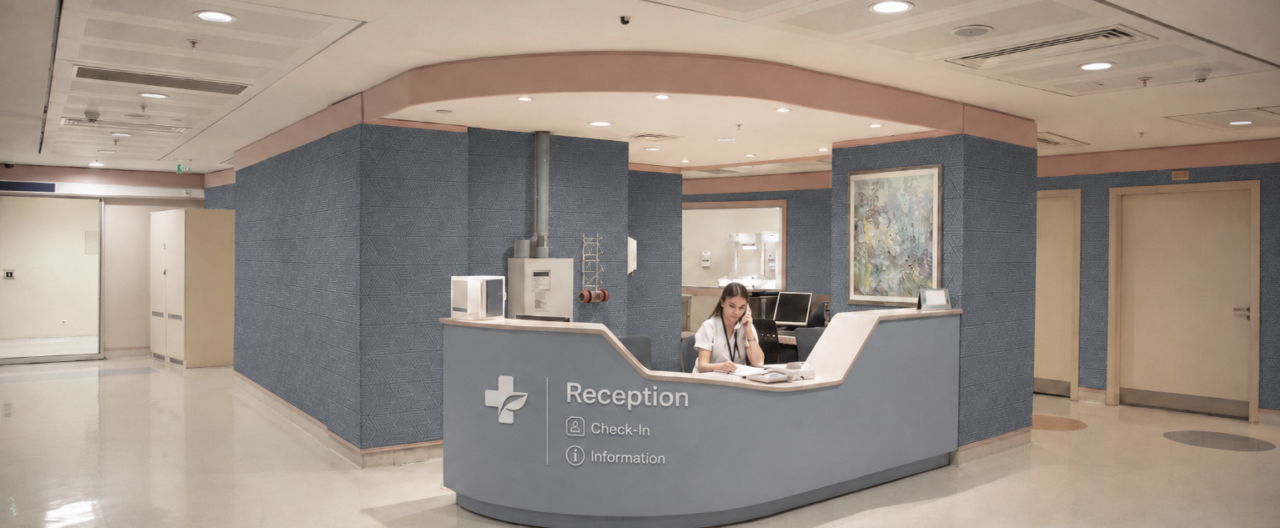
Wallcoverings for medical offices can help create that shift. A subtle pattern in a reception area can make the space feel more complete. A mural in a pediatric hallway can bring a sense of ease. A soft art piece in a waiting room can add warmth without overwhelming the room.
These details do not replace function. Instead, they help the environment feel more balanced. Patients still need clear wayfinding, durable materials, and efficient layouts. However, they also benefit from spaces that feel cared for.
Murals That Bring Calm Without Visual Noise
Murals can be especially useful in clinics because they bring scale and softness to large blank walls. The right mural can create a focal point in a waiting room, add a sense of place to a hallway, or help a specialty clinic feel more connected to its community.
For medical spaces, the strongest mural directions often lean into gentle movement, natural forms, muted color, or abstract compositions. A scenic mural can feel grounding. A botanical direction can soften a room. An abstract design can add interest without becoming too literal.
The goal is restraint. A medical mural should give the eye somewhere to rest, not create more stimulation. When the artwork works with the architecture, lighting, and furniture, the space feels more complete.
Soft Art for Waiting Rooms, Exam Areas, and Corridors
Soft art can bring comfort to the areas where patients spend the most time. Waiting rooms, exam rooms, consultation areas, and corridors often need artwork that feels approachable, not overly formal.
In these spaces, softness can come from color, texture, subject matter, or composition. A layered neutral piece can add depth to a quiet room. A nature-inspired artwork can bring warmth to a waiting area. A gentle abstract can make a corridor feel less sterile.
For designers and healthcare teams, custom soft art also gives more control. Artwork can be created around a specific palette, wall size, patient demographic, or brand direction. As a result, the final space feels more connected instead of pieced together from standard options.
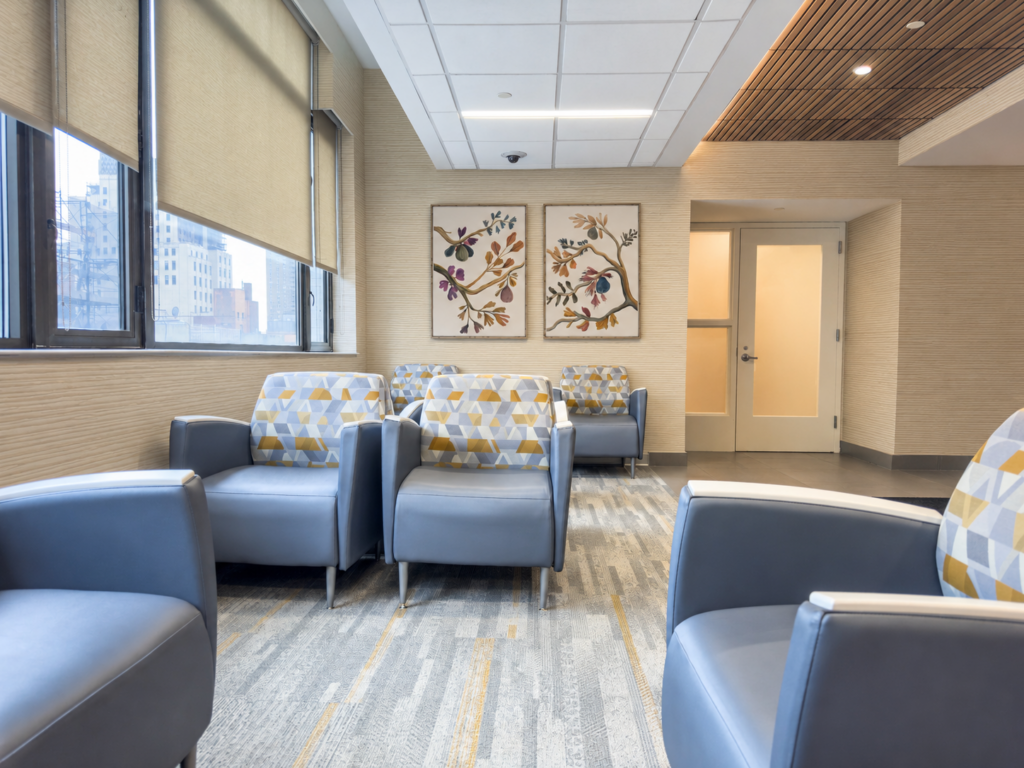
Custom Capabilities for Healthcare Environments
Medical offices often come with practical design needs. Walls may vary from one location to another. Brand standards may need to stay consistent across several clinics. A specialty practice may need artwork that feels different from a primary care office. In many cases, teams also need materials, timelines, and installation details to stay organized from the start.
Custom capabilities help address those needs early in the process. A mural can be scaled for a specific wall. A wallcoverings pattern can shift in color to match a clinic’s palette. Soft art can be developed to support a specialty, age group, or regional setting.
For multi-location clinics, this flexibility becomes even more important. One visual direction can carry across several offices while still allowing each space to respond to its layout. That balance helps create consistency without making every location feel identical.
Designing With Patients, Staff, and Daily Use in Mind
Clinics serve many people in a single day. Patients move through check-in, waiting, exams, treatment, and follow-up. Staff members spend long hours in the same environment. Because of that, surface design should support more than the first impression.
Calming wallcoverings can soften a waiting area. A mural can make a corridor feel less repetitive. Soft art can bring warmth to rooms shaped by equipment and efficiency. Together, these choices help create a space that feels more human.
Good medical office design also knows when to stay quiet. Not every wall needs a statement. Some areas need visual interest, while others need breathing room. Custom work makes that easier because the design can respond to the exact needs of the space.
A More Thoughtful Surface Strategy for Clinics
Wallcoverings for medical offices give clinics and healthcare designers a way to shape the environment with care. Murals can add a sense of calm. Soft art can bring warmth to patient-facing areas. Custom wallcoverings can create consistency across rooms, departments, or multiple locations.
For clinics, the right surface choices can help the space feel more welcoming, more organized, and more connected to the people it serves. They can also support the brand without making the office feel overly branded.
At Leftbank Art, each project is developed with collaboration, craftsmanship, and customization in mind. From wallcoverings and murals to soft art for patient spaces, the goal is to create medical offices that feel relaxed, polished, and ready for daily use.
California Crafted.